
How Daily Activities Support Recovery in Skilled Nursing Care
June 2, 2026
Physical Therapy After a Fall: How Rehabilitation Supports Safer Mobility
July 4, 2026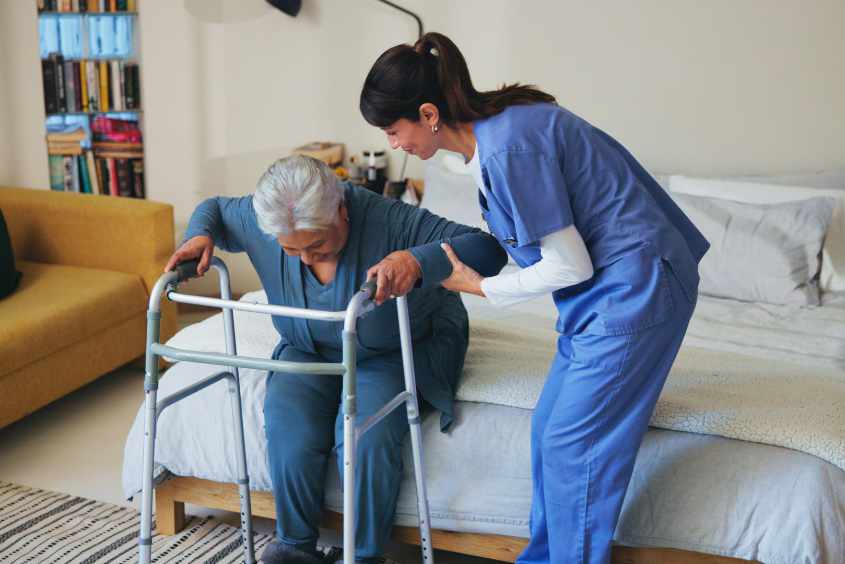
Understanding how assisted living and skilled nursing care differ can help you choose the right home for a loved one with confidence.
Making decisions about senior care can feel overwhelming, especially when you are trying to determine which option will best support a loved one’s health, safety, and quality of life. Many families find themselves comparing assisted living communities with NC skilled nursing facilities, unsure which environment is the right fit.
While both options provide support for older adults, they are designed to meet very different needs. Understanding the differences between assisted living and skilled nursing care can help you make a confident, informed decision that supports your loved one’s current and future well-being.
Jump To Section
Assisted Living
What Is Assisted Living?
Assisted living is designed for seniors who want to maintain as much independence as possible while receiving help with certain daily activities. Residents typically live in private or semi-private apartments and enjoy a community setting that encourages social engagement and an active lifestyle. Assisted living communities provide support with tasks such as bathing, dressing, medication reminders, meal preparation, housekeeping, and transportation.
Many families exploring assisted living options are looking for a balance between independence and support. Assisted living can be an excellent solution for seniors who no longer feel comfortable living alone but do not require extensive medical care. Residents often enjoy organized activities, dining services, wellness programs, and opportunities to build meaningful connections with others. The goal is to help individuals maintain dignity, independence, and a high quality of life while receiving assistance when needed.
Skilled Nursing
What Is Skilled Nursing Care?
Skilled nursing care provides a significantly higher level of medical support. These facilities are staffed by licensed nurses and healthcare professionals available around the clock to monitor residents and provide medical treatment. Skilled nursing facilities may serve individuals recovering from surgery, illness, injury, stroke, or hospitalization, as well as those who require long-term medical management.
Unlike assisted living, skilled nursing facilities are equipped to handle complex medical conditions that require ongoing supervision and professional intervention. Residents may receive wound care, IV therapy, medication management, chronic disease monitoring, nutritional support, and specialized nursing services. For many individuals, skilled nursing care serves as a bridge between hospitalization and returning home. For others, it becomes a long-term care solution when medical needs exceed what can safely be managed in other settings.
Level of Medical Care
Level of Medical Care
One of the most important distinctions between assisted living and skilled nursing is the level of medical care provided. Assisted living communities focus primarily on personal care and daily living support. While some communities may have nurses available or on-call, they generally do not provide continuous medical supervision. Residents typically manage stable health conditions that do not require extensive nursing intervention.
Skilled nursing facilities, on the other hand, provide 24-hour nursing care and medical oversight. Residents often have complex healthcare needs that require frequent monitoring, specialized treatments, or physician-directed care plans. This higher level of clinical support allows skilled nursing facilities to care for individuals with significant medical challenges.
Key Differences
Key Differences Between Skilled Nursing and Assisted Living
While both care settings offer support and assistance, several notable differences set them apart.

Living environment: assisted living typically offers apartment-style residences with a more home-like atmosphere, while skilled nursing facilities generally provide private or semi-private rooms designed to support medical care and monitoring.
Medical services: assisted living focuses on non-medical support, while skilled nursing provides ongoing medical treatment and nursing care.
Care intensity: assisted living residents often need help with daily activities, while skilled nursing residents require a higher level of supervision and healthcare services.
Length of stay: assisted living is typically a long-term residential option, while skilled nursing may be used for short-term rehabilitation, long-term care, or both.
Rehabilitation Services
Rehabilitation Services
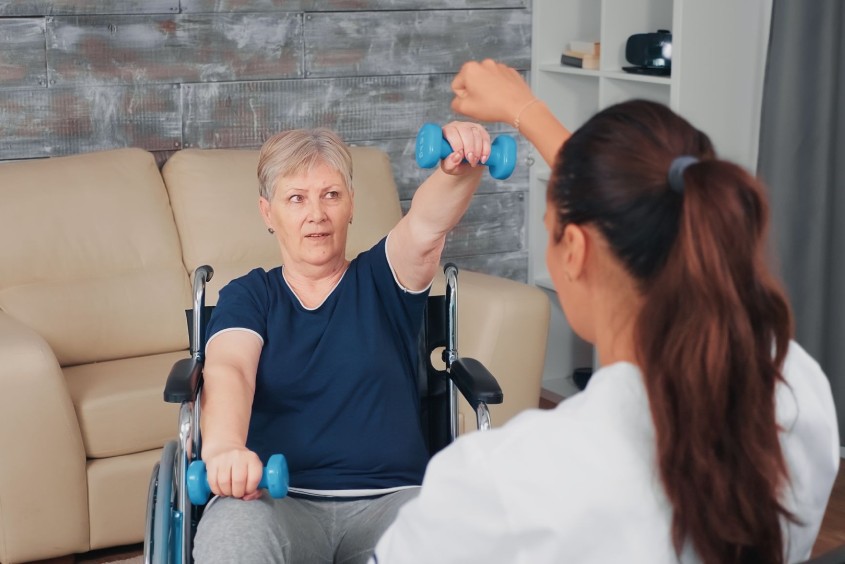
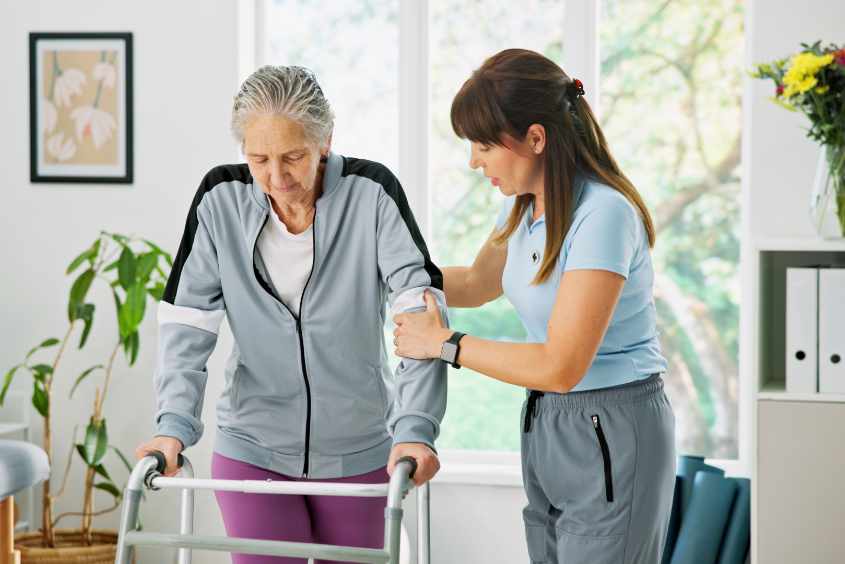
Another major advantage of skilled nursing care is access to rehabilitation services. Many NC skilled nursing facilities offer comprehensive therapy programs designed to help residents recover after surgery, illness, injury, stroke, or hospitalization. Physical therapy, occupational therapy, and speech therapy are commonly available and are often integrated into individualized recovery plans.
These services can help residents regain strength, improve mobility, restore communication skills, and work toward greater independence. While some assisted living communities may coordinate outside therapy services, rehabilitation is not typically their primary focus. Individuals who need intensive therapy often benefit more from the specialized resources available within a skilled nursing environment.
Staffing & Support
Staffing and Support
Staffing levels and professional expertise also differ significantly between the two settings. Assisted living communities typically employ caregivers, medication aides, and support staff who help residents with everyday tasks. Their focus is on helping residents maintain independence while ensuring safety and comfort.
Skilled nursing facilities employ licensed practical nurses, registered nurses, therapists, nursing assistants, and medical professionals who work together to provide comprehensive care. Medical staff are available around the clock, allowing facilities to respond quickly to changing health conditions or emergencies.
Who Benefits Most
Who Benefits Most From Each Option?
Assisted living may be the best fit for seniors who:
Need help with daily activities such as dressing, bathing, or medication reminders
Want a supportive social environment
Are generally independent but need occasional assistance
Do not require continuous medical supervision
Skilled nursing care may be ideal for individuals who:
Need 24-hour nursing support
Are recovering from surgery, illness, or hospitalization
Require rehabilitation services
Have complex medical conditions that need ongoing monitoring and treatment
Choosing the Right Option
Choosing the Right Care Option
Every individual has unique needs, goals, and health considerations. The right choice depends on a careful evaluation of medical requirements, functional abilities, safety concerns, and personal preferences.
If your loved one primarily needs assistance with daily activities and would benefit from a community-oriented lifestyle, assisted living may provide the ideal balance of support and independence. If ongoing medical care, rehabilitation, or nursing supervision is required, a skilled nursing facility may offer the comprehensive care necessary for recovery and long-term well-being.
At Chatham Rehab, we understand how important these decisions can be. Our experienced team is here to help families explore care options, answer questions, and ensure loved ones receive the support they need in a safe, compassionate environment. Whether recovering after a hospital stay or requiring ongoing skilled care, we are committed to helping residents reach the highest possible quality of life.
Still Deciding Which Option Is Right?
Let our team help you weigh the choices and find the level of care that fits your loved one best. Schedule a tour and see our compassionate, skilled environment for yourself.