- Follow Us:
- (336) 527-7600
- [email protected]


Why Seniors May Need Extra Support During Recovery From Respiratory Illnesses
October 2, 2026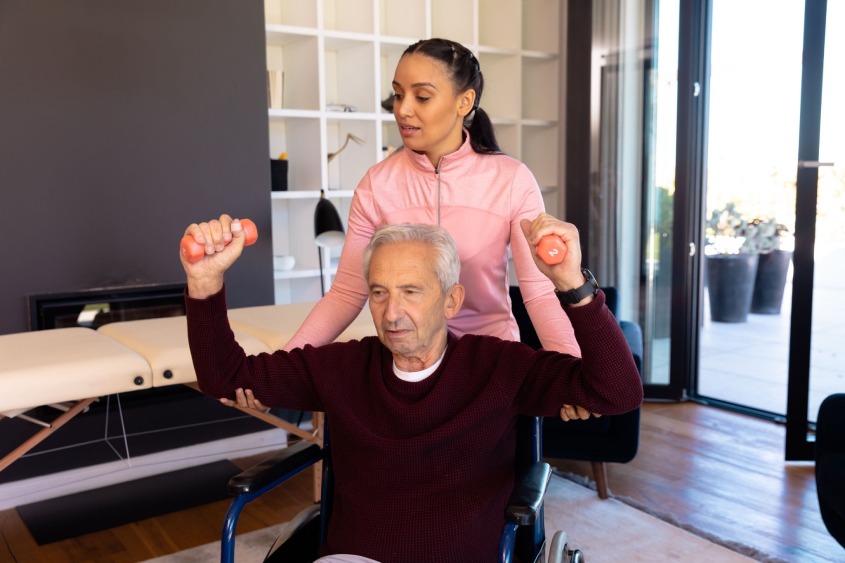
After weeks or months of inactivity, many older adults can still rebuild strength, balance, and confidence with the right support.
A few months of inactivity can change more than an older adult’s daily routine. After an extended illness, hospitalization, injury, surgery, or a period of spending most of the day sitting or in bed, activities that once seemed simple can suddenly feel surprisingly difficult. Standing from a favorite chair may require more effort. Walking through the house can become tiring. Stairs may feel intimidating, and a trip to the grocery store that once seemed routine might now feel overwhelming.
When families notice these changes, it’s natural to wonder whether the decline is permanent. In many cases, improvement is possible. The amount and pace of recovery will depend on the individual’s health, the reason for the inactivity, previous abilities, and other factors. However, physical therapy, appropriate activity, good nutrition, and rehabilitation support can all play a role in helping older adults work toward improved mobility and greater independence.
For families exploring rehabilitation or senior living in North Carolina, understanding what causes mobility decline and how recovery may be approached can help them make informed decisions about the next step.
Jump To Section
Understanding Deconditioning
Why Seniors Lose Strength and Mobility After Long Periods of Inactivity
Our bodies are designed to move. When normal activity decreases for an extended period, muscles aren’t challenged in the same ways they are during everyday life, and older adults can be particularly vulnerable to this type of deconditioning.
Consider all the small movements involved in an ordinary day:
Getting out of bed engages the core and legs.
Standing from a chair requires strength and balance.
Walking through the house challenges endurance.
Reaching, bathing, and climbing stairs all call for different combinations of strength, flexibility, coordination, and stability, whether it’s reaching into a cabinet, stepping into the shower, or taking the stairs.
When those movements happen less frequently, physical abilities may gradually decline. Hospitalization can contribute to this process. An older adult who is sick enough to spend several days in bed may return home feeling significantly weaker than before the illness. The same can happen when pain, fear of falling, or a chronic medical condition causes someone to become increasingly sedentary.
Weakness can sometimes lead to even less activity, creating a cycle that’s difficult to break without appropriate support.
What Families Notice
Common Signs of Mobility Decline in Older Adults
Mobility decline isn’t always dramatic. Sometimes families notice small changes first. Mom may begin pushing heavily on the arms of a chair to stand. Dad might stop going upstairs unless absolutely necessary. Someone who previously walked through a store may begin asking to stay in the car.
Other physical signs can include:
A slower walking pace or shuffling steps
Difficulty getting in and out of bed
Increased reliance on furniture for support
Needing more frequent rest breaks
You may also notice changes that don’t initially seem related to mobility:
Showering less often because stepping into the shower feels unsafe
Preparing fewer meals because standing at the kitchen counter is exhausting
Avoiding social activities because getting ready and leaving home requires too much energy
Changes in everyday routines can provide important clues that strength, balance, or endurance has declined.
Reasons for Hope
Can Seniors Regain Muscle Strength and Balance After Months of Inactivity?
The encouraging answer is that many older adults can make meaningful improvements in strength, balance, endurance, and mobility with appropriate intervention.
That doesn’t mean every person will return to exactly the same abilities they had before becoming inactive. Recovery is highly individual and can be affected by medical conditions, injuries, cognitive health, medications, nutritional status, pain, and the reason mobility declined in the first place.
Age alone doesn’t mean improvement is impossible. The body can respond to appropriate physical activity at older ages.
The key is finding the right level of challenge while considering medical conditions, safety, and current abilities. For someone who has been inactive for months, that may mean starting with basic movements rather than immediately trying to return to a previous exercise routine. A healthcare provider or rehabilitation professional can help determine what type and level of activity is appropriate.
Therapy With a Purpose
How Physical Therapy Helps Seniors Restore Mobility and Independence
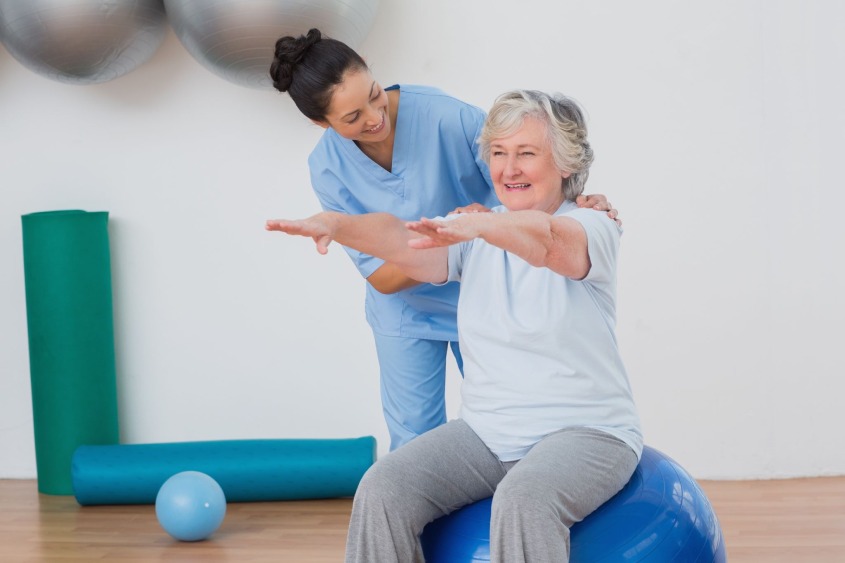
Physical therapy can be particularly helpful when an older adult has experienced a noticeable decline in mobility. A physical therapist can evaluate areas such as strength, balance, walking, transfers, endurance, and range of motion. That information can be used to establish individualized goals based on what the person currently can do and what they hope to regain.
Those goals may be very practical:
Standing from a chair without as much assistance
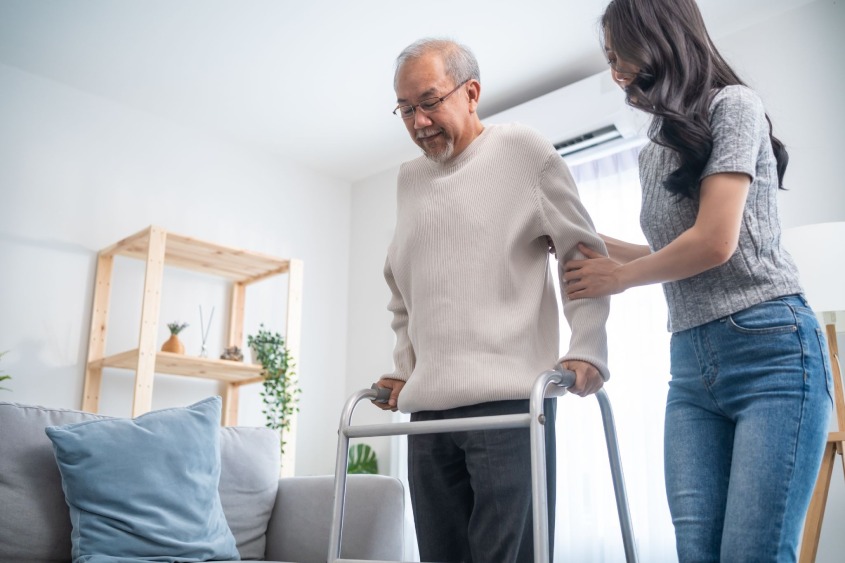
Practicing walking safely with a walker
Climbing the several steps at the entrance of home before returning there
Therapy may include strengthening exercises, balance activities, walking practice, transfer training, and other functional movements. The emphasis is not simply on completing exercises. Ideally, improving strength and mobility should translate into everyday activities that matter to the individual.
Mind and Body
Rebuilding Confidence Can Be Just as Important
Mobility isn’t purely physical. After a fall, illness, or extended period of inactivity, an older adult may become afraid of moving. Even after strength begins improving, that fear can remain.
Someone who worries about falling may take very small steps, avoid walking without another person nearby, or stop participating in activities altogether. Over time, that avoidance can contribute to further deconditioning.
Rehabilitation can provide opportunities to practice movement with appropriate guidance and support. As a resident becomes stronger and more comfortable with specific tasks, confidence may gradually improve. A person who initially hesitated to stand may eventually become more willing to participate in transfers, walking, and daily activities.
The goal isn’t to encourage someone to take unnecessary risks. Confidence should grow alongside better strength, safer technique, and a realistic understanding of current abilities.
Fuel for Recovery
Nutrition Plays an Important Role in Rebuilding Strength
Exercise gets much of the attention when discussing mobility, but nutrition is another important part of the picture. Older adults recovering from illness or inactivity need adequate nutrition to support overall health and physical recovery. Protein is particularly important for maintaining muscle, but the appropriate amount depends on individual health needs. Adequate calories, vitamins, minerals, and hydration matter as well.
Some of the same circumstances that cause inactivity can also affect nutrition:
Illness may reduce appetite
Fatigue can make meal preparation difficult
Dental problems or swallowing difficulties can interfere with eating
Medication side effects or changes in taste can make meals less appealing
Families who are concerned about an older adult’s weight, appetite, or nutritional intake should discuss those changes with the healthcare team. Individual recommendations are especially important for people managing conditions such as diabetes, kidney disease, heart disease, or swallowing problems.
Small Steps Forward
Gentle Activity Can Help Break the Cycle of Inactivity
For someone who has been inactive for months, the idea of “exercising” can feel intimidating. Fortunately, rebuilding mobility doesn’t necessarily begin with a strenuous workout. Depending on the person’s abilities and medical guidance, early activity might involve:
Practicing standing from a chair
Taking short, supervised walks
Performing gentle range of motion movements
Completing simple strengthening exercises recommended by a therapist
Consistency can be more useful than trying to do too much too soon. A gradual approach also gives the body time to adapt, and as strength and endurance improve, the amount or difficulty of activity can be adjusted.
Older adults shouldn’t begin a new exercise program without considering existing medical conditions, recent surgeries, injuries, or fall risk. When mobility has declined significantly, professional evaluation can help establish a safer starting point.
Coordinated Care
How Skilled Nursing and Rehabilitation Can Support Mobility Recovery
Some older adults can rebuild strength successfully at home with outpatient therapy, home health services, family assistance, or an appropriate exercise plan. Others may need more support.
For someone leaving the hospital with significant weakness, difficulty walking, or increased dependence with everyday activities, short term rehabilitation in a skilled nursing setting may provide an appropriate bridge between the hospital and home.
At NC skilled nursing facilities, residents who qualify for rehabilitation may receive therapy alongside nursing care based on their individual needs:
Physical therapy may address walking, strength, balance, and transfers.
Occupational therapy can help with activities such as dressing, bathing, grooming, and other daily routines.
Nursing professionals can manage appropriate clinical needs and communicate with the rehabilitation team about medical issues that may affect participation or progress.
This coordinated approach can be particularly valuable when mobility decline is only one part of a more complicated recovery.
Knowing the Next Step
When to Consider Short-Term Rehabilitation for Mobility Challenges
Not every mobility problem requires admission to a rehabilitation facility. However, short term rehabilitation may be worth discussing when an older adult has experienced a significant functional decline and isn’t yet able to safely manage at home. For example:
A person may be medically stable after hospitalization but still require substantial assistance getting out of bed or walking to the bathroom
Someone recovering from surgery may need nursing care in addition to therapy
Another person may have become so weak after an extended illness that family members can’t safely provide the level of assistance needed at home
A hospital discharge planner, physician, or other healthcare professional can help determine the appropriate level of care.
When considering NC skilled nursing facilities, families can ask about:
Rehabilitation services available
Therapy frequency based on individual needs
Nursing support
Care planning
How progress is measured
How the facility prepares residents for their next transition
Celebrating Progress
Setting Realistic Goals for Recovery
One of the most important parts of rebuilding mobility is establishing goals that are both meaningful and realistic. The goal doesn’t always need to be “walk independently.” Success can look different for each person:
Progressing from a wheelchair to walking short distances with a walker
Transferring from bed to chair with less assistance
Improving endurance enough to participate in family activities again
Small gains matter. Standing a little longer, requiring less help with a transfer, walking farther without resting, or completing more of a dressing routine independently can all represent meaningful progress.
Families can help by celebrating these improvements without pressuring a loved one to recover faster than their body allows.
Our Approach
Supporting Mobility at Chatham Rehab
When mobility declines, families may worry that their loved one will never regain the independence they once had. While no rehabilitation program can guarantee a particular outcome, months of inactivity don’t necessarily mean that improvement is out of reach. With an individualized plan, appropriate medical support, therapy, nutrition, and gradual increases in activity, many older adults can work toward improving strength and function.
At Chatham Rehab, care is centered on each resident’s individual needs and goals. For those who require rehabilitation, therapy can address areas such as strength, balance, walking, transfers, endurance, and the everyday activities needed for greater independence.
For families exploring senior living in North Carolina or comparing NC skilled nursing facilities, it’s helpful to look beyond where a loved one is today. Ask what support is available to help them work toward the safest and most independent level of function possible.
Recovery may happen one small milestone at a time. After months of inactivity, standing more steadily, walking a few additional feet, or needing less assistance can be the beginning of meaningful change.
FAQs
Frequently Asked Questions About Senior Mobility Recovery
Help Your Loved One Regain Strength and Mobility
Personalized rehabilitation at Chatham Rehab focuses on the goals that matter most to each resident. Reach out today to learn more about our services or schedule a tour.