
How Chronic Pain Management Supports Rehabilitation Success
August 12, 2026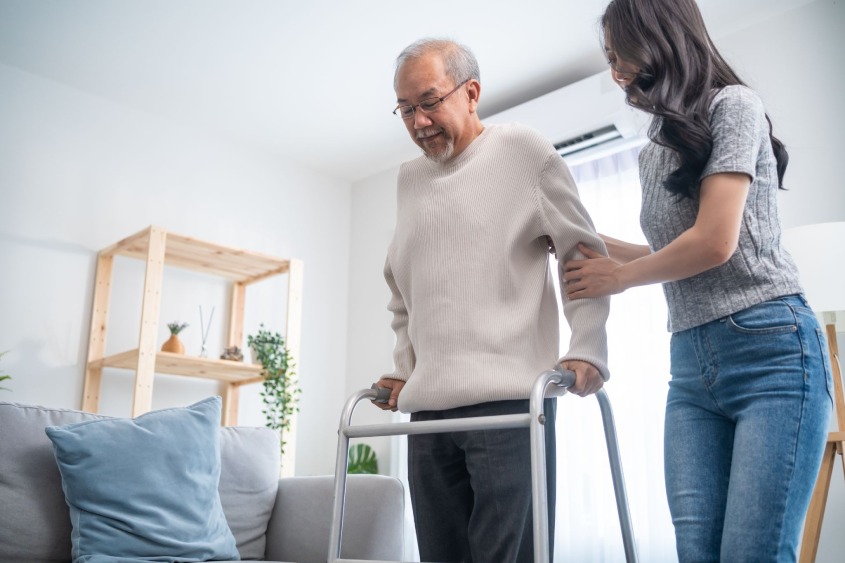
Rebuilding strength after a hospital stay takes time, patience, and the right kind of support
A hospital stay can take a surprising toll on an older adult’s strength and independence. Even when the illness, injury, or surgery that led to hospitalization has improved, seniors may discover that everyday activities suddenly require much more effort. Walking across a room, standing up from a chair, getting dressed, or climbing a few steps can feel exhausting after spending an extended period in bed.
For some seniors, returning directly home may be difficult when weakness, balance problems, or reduced endurance are still affecting daily life. This is where rehabilitation can play an important role. Rehab for elderly after hospital stay focuses on helping older adults gradually rebuild the physical abilities they need to move more safely, complete everyday activities, and regain confidence.
At Chatham Rehab, personalized rehabilitation services can help seniors bridge the gap between hospitalization and a return to greater independence.
Jump To Section
Understanding The Change
Why Seniors Lose Strength After Bed Rest or Hospitalization
During a hospital stay, patients often spend significantly more time sitting or lying down than they would during a normal day. This inactivity may be necessary while recovering, but muscles need regular movement to maintain strength.
Older adults can be particularly vulnerable to the effects of prolonged inactivity. When muscles aren’t being used regularly, strength and endurance can decline. Illness, pain, poor appetite, medication changes, and fatigue may contribute to additional weakness.
By the time a senior is medically stable enough to leave the hospital, they may feel very different physically than they did before admission.
Walking may look different A person who previously walked independently may now need a walker or assistance to move safely
Daily care can take more effort Someone who normally dresses and bathes without help may struggle with balance or become tired before completing the task
Rehabilitation provides a structured environment where these abilities can be addressed gradually rather than expecting a senior to immediately return to their previous routine.
Strength
How Rehabilitation Helps Rebuild Muscle Strength
Rebuilding strength is often one of the first priorities following a period of inactivity.
Physical therapists assess a patient’s current abilities and identify areas of weakness that may interfere with safe movement. From there, exercises can be selected based on the individual’s medical condition, physical abilities, and recovery goals.
Therapy may begin with basic movements such as standing from a chair, extending the legs, or practicing controlled weight shifts. As strength improves, exercises can gradually become more challenging.
Lower body strength is especially important because the legs, hips, and core play major roles in standing, walking, climbing stairs, and maintaining balance
Upper body strength may also be addressed when it affects the use of a walker, transfers, or everyday activities
The goal isn’t to rush the process. Consistent, appropriately challenging activity helps seniors make gradual progress while working within their abilities and medical precautions.
Mobility
Improving Mobility and Walking Ability Through Rehabilitation
Walking can be one of the most noticeable challenges after hospitalization. A senior may feel unsteady, take shorter steps, walk more slowly, or become tired after a very short distance.
Physical therapy can help address these concerns through mobility and gait training. Therapists may work with patients on posture, step patterns, turning, navigating obstacles, and walking appropriate distances. If a cane, walker, or other mobility device is needed, therapists can help determine an appropriate option and teach the patient how to use it correctly.
Safe mobility involves much more than walking in a straight line. Seniors may need to practice everyday movements in the settings where they actually happen:
Getting in and out of bed
Transferring safely from a chair
Entering a bathroom and navigating doorways
Climbing stairs
These practical activities help connect rehabilitation exercises to the situations patients are likely to encounter when they return home.
Balance And Safety
Restoring Balance and Reducing the Risk of Falls
Weakness after hospitalization can also affect balance. When combined with medication changes, pain, unfamiliar mobility aids, or fear of falling, this can make seniors hesitant to move.
Unfortunately, avoiding movement entirely can contribute to further weakness. Rehabilitation provides an opportunity to work on balance in a supervised environment. Therapists may incorporate exercises that address coordination, posture, leg strength, and the body’s ability to adjust during movement. Patients can also practice safe techniques for standing, turning, and changing direction.
No rehabilitation program can eliminate every possibility of a fall, but improving strength, mobility, and balance can help address important risk factors.
Therapists may also discuss home safety before discharge. Simple changes can create a safer environment for continued recovery:
Improving lighting in hallways and stairwells
Clearing walkways of clutter and cords
Removing loose rugs
Adding recommended bathroom safety equipment
Endurance
Rebuilding Endurance for Everyday Activities
Strength is only part of the equation. Seniors also need enough endurance to complete daily activities without becoming overly exhausted.
After bed rest, even walking to the bathroom or getting dressed can feel like a workout. Rehabilitation gradually increases activity so the body has an opportunity to rebuild stamina.
Progress isn’t measured solely by how far someone can walk. Being able to take a shower, get dressed, eat a meal, and participate in activities without becoming completely exhausted can be equally meaningful rehabilitation milestones.
Confidence
Helping Seniors Regain Independence and Confidence
The emotional effects of hospitalization shouldn’t be overlooked. Losing strength can be discouraging, particularly for someone who was previously independent. Seniors may worry about falling or become frustrated when they need assistance with tasks they once completed easily.
Rehabilitation gives patients opportunities to experience small successes. Standing with less assistance, walking farther, dressing more independently, or safely completing a transfer can help rebuild confidence.
Families play a meaningful part in that process:
Notice the small wins Rather than focusing only on what a loved one cannot yet do, recognizing incremental improvements can help maintain motivation
Allow safe independence Providing more assistance than necessary may unintentionally reduce opportunities to practice the skills a senior is working to regain
Coordinated Care
Skilled Nursing Can Support the Rehabilitation Process
Many seniors leaving the hospital are recovering from more than physical weakness. They may also need support that goes beyond therapy sessions:
Medication management
Wound care and pain management
Nutritional support
Monitoring related to an ongoing medical condition
For these individuals, a skilled nursing and rehabilitation environment can bring different aspects of recovery together. Nurses and therapists can communicate about issues that may affect rehabilitation. For example, uncontrolled pain may make walking difficult, while medication side effects or inadequate nutrition could affect energy and participation.
This coordinated approach can be especially valuable for families considering an Elkin nursing home following a hospital stay. Instead of managing medical needs and rehabilitation separately, skilled nursing care can provide professional support while the resident works toward functional recovery.
Individualized Goals
The Importance of a Personalized Rehabilitation Plan
Two seniors can spend the same amount of time in the hospital and leave with very different needs. One may primarily need to rebuild leg strength, while another has balance problems, difficulty dressing, and limited endurance. That’s why effective rehab for elderly after hospital stay should be individualized.
A rehabilitation plan may incorporate physical, occupational, and speech therapy depending on the person’s needs. Goals should also reflect the individual’s life outside the facility.
Home layout matters If someone needs to climb steps to enter their home, stair navigation may become an important therapy goal
Living situation matters If a senior lives independently, therapy may place greater emphasis on safely completing personal care and other everyday tasks
Plans should evolve As progress is made, the plan can be adjusted to provide new challenges and prepare the resident for the next stage of recovery
Our Approach
Rehabilitation at Chatham Rehab
At Chatham Rehab, we understand that leaving the hospital doesn’t always mean someone is ready to return immediately to their previous routine. Our rehabilitation services are designed to help residents work toward improved strength, mobility, balance, endurance, and independence following illness, injury, surgery, or hospitalization.
Through individualized therapy and skilled nursing support, our interdisciplinary team considers each resident’s medical needs, current abilities, and personal recovery goals. Therapy focuses on practical progress that can help residents prepare for everyday life, whether that means walking more safely, completing daily activities with less assistance, or building the endurance needed to return home.
For families searching for an Elkin nursing home with rehabilitation services, understanding how a facility approaches individualized recovery can help you make a more informed choice. You can learn more about our community and the team behind that care.
Looking Ahead
Building Strength One Step at a Time
Weakness after bed rest or hospitalization can be frustrating, but it doesn’t necessarily represent a permanent loss of independence. With appropriate rehabilitation, many seniors can work toward rebuilding the abilities that became more difficult during their illness or hospital stay.
The process takes patience. Recovery may begin with standing from a chair, walking a short distance, or completing part of a daily routine independently. Over time, those smaller achievements can lead to meaningful improvements in mobility, endurance, confidence, and quality of life.
At Chatham Rehab, the goal of rehab for elderly after hospital stay is to help each resident move forward at an appropriate pace while preparing for the safest and most independent next step possible. With personalized therapy, skilled nursing support, and a focus on real-life abilities, rehabilitation can help turn the period after hospitalization into an opportunity to rebuild strength and confidence for the road ahead.
Ready to Talk About the Next Step in Recovery?
Our team at Chatham Rehab is here to answer your questions, walk you through our therapy and skilled nursing services, and help you plan a safe transition after a hospital stay.