- Follow Us:
- (336) 527-7600
- [email protected]


How Rehabilitation Helps Seniors Rebuild Strength After Bed Rest or Hospitalization
September 1, 2026
Why Seniors May Need Extra Support During Recovery From Respiratory Illnesses
October 2, 2026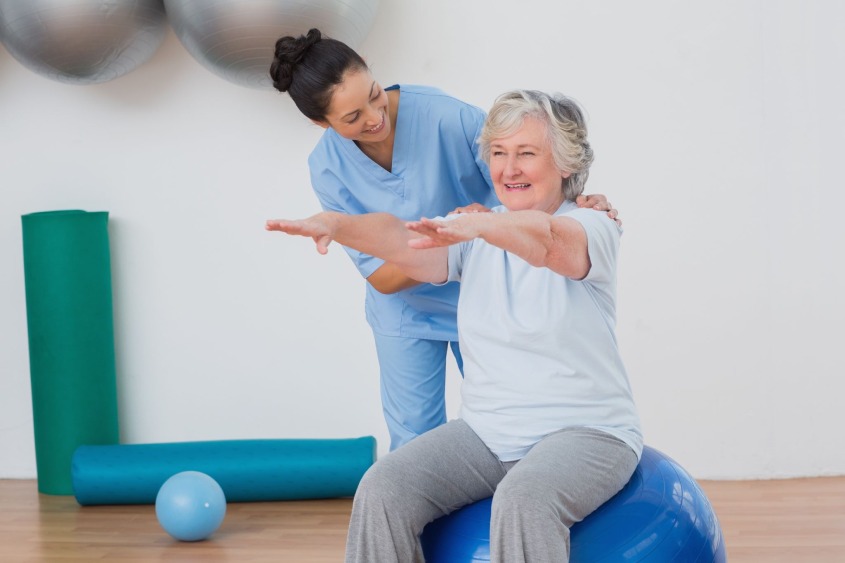
Leaving the hospital is one milestone in recovery, not the finish line, and skilled rehabilitation can make the next stretch feel far more manageable.
Heart surgery is a major medical event, and discharge day is only one step in a longer recovery. Even when the surgery has gone well, patients often come home feeling much weaker and more tired than they expected. Walking, climbing stairs, bathing, getting dressed, and other everyday activities can take real effort while the body continues to heal.
For some patients, going straight home is not the safest or most practical next step. Skilled rehabilitation offers extra time and professional support to rebuild strength, improve mobility, increase endurance, and regain the abilities that daily life requires.
Rehabilitation after heart surgery should always reflect the individual procedure, overall health, physician recommendations, and personal recovery goals. For patients who need skilled nursing and therapy after hospitalization, a short-term rehabilitation stay can create a safer bridge between the hospital and home.
Jump To Section
The Starting Point
Why Rehabilitation Is Important After Heart Surgery
Heart surgery places significant demands on the body. Beyond recovering from the procedure itself, many patients have already spent days with limited activity before and after surgery. That stretch of inactivity can lead to muscle weakness and reduced endurance, and the effect tends to be more pronounced in older adults.
Once a patient is medically stable, becoming appropriately active again is an important part of recovery. Feeling hesitant is completely understandable. Someone who has just come through heart surgery may worry about overexertion, about the surgical area, or about another cardiac problem.
A structured rehabilitation environment can make this stage feel far more manageable. Rather than guessing how much activity is safe, patients work alongside rehabilitation professionals who follow physician orders and post-surgical precautions.
Skilled rehabilitation is not the same as formal outpatient cardiac rehabilitation. Cardiac rehabilitation is a specialized, medically supervised program that may be prescribed for eligible patients following certain heart surgeries or cardiac events. A skilled nursing rehabilitation stay often comes earlier in the recovery process, for patients who need additional nursing care, mobility training, or help with everyday activities before they are ready to return home or move into the next phase of rehabilitation.
Building Back
Rebuilding Strength and Endurance Safely
Feeling tired after heart surgery is common, and patients are often surprised by how quickly fatigue sets in. Activities that felt easy before surgery can suddenly feel demanding.
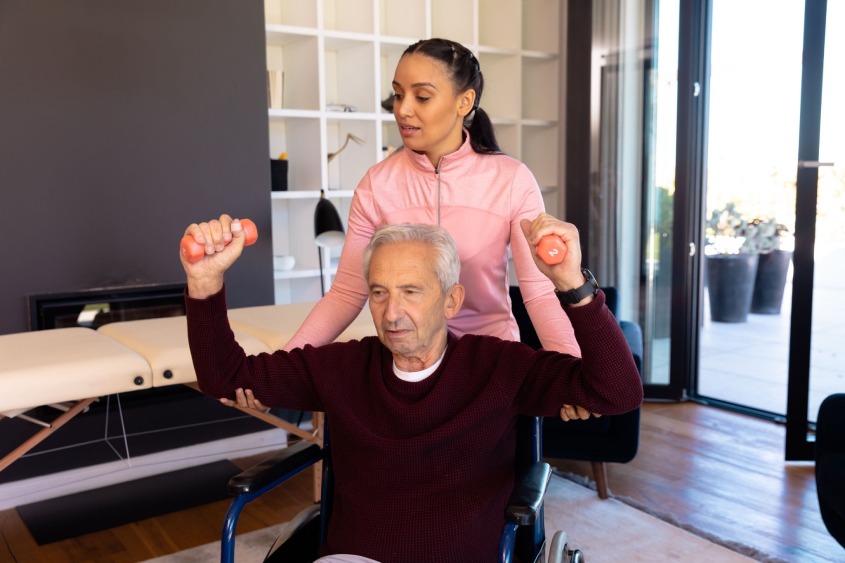
Physical therapy helps patients gradually rebuild strength and endurance while respecting the medical team precautions. The progression usually looks something like this:
Everyday Independence
Improving Mobility and Daily Function
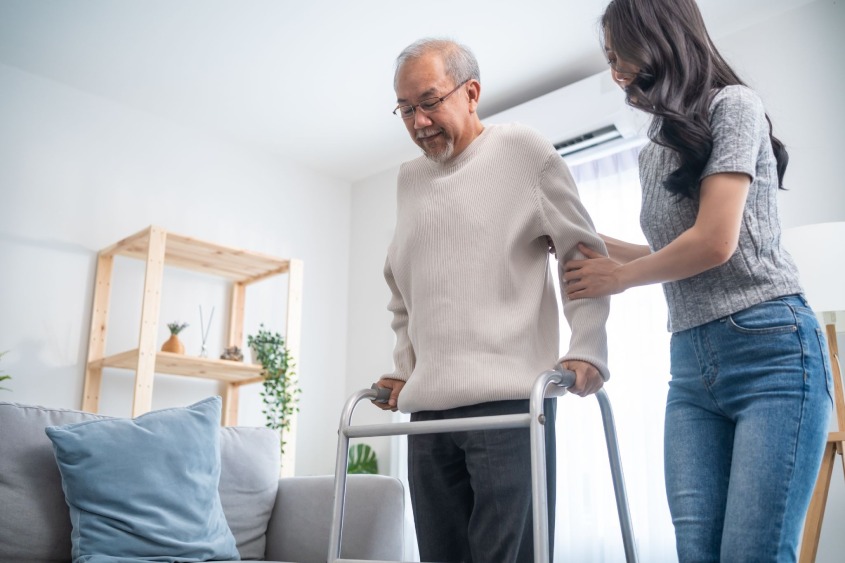
Walking is only one part of becoming independent again. After heart surgery, patients may struggle with getting in and out of bed, standing from chairs, navigating stairs, bathing, dressing, or finishing other everyday tasks. Some activities may also need to be modified temporarily because of post-surgical precautions.
Physical and occupational therapy work together to address these challenges:

Physical therapy typically focuses on strength, balance, endurance, walking, and safe mobility
Occupational therapy helps patients practice activities of daily living, including dressing, grooming, bathing, and toileting
Energy conservation strategies give patients a way to pace themselves. Instead of trying to complete an entire morning routine at once and ending up exhausted, a patient learns to spread activities out and build in appropriate rest periods
The objective of rehabilitation after heart surgery is not simply to perform exercises well. It is to help patients put their improving strength and endurance to work in the ways that support everyday independence.
Clinical Oversight
Monitoring Recovery With Skilled Clinical Support
Some patients need more than therapy after leaving the hospital. A skilled nursing environment can provide clinical support while rehabilitation continues, including:
Medication management to keep prescriptions accurate and understood, particularly when they changed during the hospital stay
Surgical incision care carried out according to the instructions from the surgical team
Pain management so discomfort does not quietly stall a patient progress in therapy
Nutritional support aligned with any dietary recommendations tied to heart health or other conditions
Monitoring of other medical conditions that may influence recovery alongside the heart procedure
Nurses monitor the patient condition based on the prescribed care plan and communicate concerns to the appropriate medical provider. Rehabilitation staff and nursing professionals also share information about changes that could affect recovery. Unusual fatigue, increased discomfort, dizziness, or difficulty participating in therapy may all warrant a closer look. That communication is what keeps rehabilitation from happening in isolation from the broader medical picture.
Families considering a nursing home in the Chatham area following heart surgery should ask how the nursing and rehabilitation teams coordinate care and communicate with physicians.
Safer Recovery
Reducing the Risk of Post-Surgery Complications
After discharge, patients and caregivers need to understand the recovery instructions provided by the surgical and cardiac teams. Depending on the procedure, those instructions may cover:
Activity restrictions and how long they apply
Incision care and what healthy healing should look like
Medications, including any that were started, stopped, or adjusted in the hospital
Nutrition guidance related to heart health or other conditions
Follow-up appointments with the surgical and cardiac teams
Symptoms that should be reported and to whom
A skilled rehabilitation setting reinforces these recommendations while helping patients become more active within their prescribed limits. Appropriate mobility can also help address some of the effects of prolonged inactivity, such as weakness and reduced endurance.
Medication management deserves particular attention. Heart surgery patients often return from the hospital with changes to their prescriptions, and understanding those changes matters before transitioning home.
No rehabilitation program can guarantee that complications will not occur. Professional monitoring, appropriate activity, medication management, and patient education can help identify concerns early and support a safer recovery. Patients and families should always follow the medical team instructions about symptoms that require urgent attention.
Emotional Well-Being
Supporting Confidence and Independence During Recovery
Heart surgery can affect emotional well-being as much as physical health. Patients may wonder whether their heart can handle activity, whether they will live independently again, or whether another medical event is ahead. Those worries can make people reluctant to move, even when their medical team has encouraged appropriate activity.
Rehabilitation offers a way to rebuild confidence gradually. Walking a little farther, completing a personal care task with less assistance, or safely managing a set of stairs all reassure patients that progress is real.
Family encouragement makes a meaningful difference too. Loved ones can:
Celebrate improvements, including the small ones that are easy to overlook
Participate in care planning so everyone shares the same goals
Learn how to provide appropriate support at home after discharge
There is an important distinction between support and doing everything for the patient. When someone can safely complete a task on their own, having the chance to practice that ability reinforces both physical progress and confidence.
The Whole Picture
Nutrition, Rest, and Recovery Work Together
Therapy is important, but recovery does not happen during exercise alone.
Nutrition gives the body what it needs to heal and maintain muscle. Patients may have specific dietary recommendations related to heart health or other medical conditions, so following the care team guidance is essential
Rest is equally important. Patients often need extra sleep and recovery time after major surgery, especially as daily activity begins to increase
Rhythm ties the two together. Too little movement can contribute to deconditioning, while too much activity too quickly can lead to excessive fatigue
Personalized rehabilitation helps patients gradually find that appropriate balance.
Individualized Care
Creating a Personalized Rehabilitation Plan for Better Outcomes
Every heart surgery patient arrives at rehabilitation with different abilities and needs. One person may have excellent mobility but limited endurance. Another may be managing significant weakness after a long hospitalization. Some patients are also recovering from other health conditions that affect balance, strength, or daily functioning.
A personalized plan accounts for those differences. Therapists set goals based on:
Previous level of independence so goals reflect the life the patient is returning to
Current abilities measured honestly at the start and revisited as things change
Medical precautions set by the surgical and cardiac teams
Home environment because someone with stairs at home may need to practice them before discharge, while another patient may need more attention on safe transfers or personal care
The plan evolves as the patient progresses, which allows rehabilitation to stay challenging without losing sight of safety.
Our Approach
Skilled Rehabilitation at Chatham Rehab
At Chatham Rehab, we understand that recovering after heart surgery calls for patience, encouragement, and coordinated professional care. For appropriate patients who need skilled nursing and rehabilitation following hospitalization, our interdisciplinary team develops individualized plans based on physician orders, medical needs, current abilities, and recovery goals.
Our rehabilitation services help residents work toward improved strength, balance, mobility, endurance, and everyday function, while skilled nursing support addresses ongoing clinical needs.
For families searching for a nursing home in the Chatham area after hospitalization, it is worth considering both the rehabilitation services available and how the facility prepares residents for the next stage of recovery.
Looking Ahead
Moving Forward After Heart Surgery
Recovering from heart surgery is rarely about reaching one big milestone. More often, progress comes through a series of smaller accomplishments: standing more comfortably, walking farther, needing less assistance, completing a morning routine, or finally feeling confident about going home.
Skilled rehabilitation after heart surgery provides the structure and support to work toward those goals safely. Through individualized therapy, skilled nursing care, appropriate rest, and thoughtful discharge planning, patients can gradually rebuild the abilities that make greater independence possible.
At Chatham Rehab, our goal is to help residents move forward at a pace that reflects their individual needs. By focusing on practical recovery goals and coordinated care, we help patients prepare not only to leave rehabilitation, but to return to everyday life with greater strength, confidence, and readiness for the next chapter.
Planning a Safe Recovery After Heart Surgery?
Our team is glad to walk you through short-term rehabilitation and skilled nursing at Chatham Rehab, answer your questions, and help you plan the next step for your loved one.