
Medicaid Nursing Care Explained: A Complete Guide for Families
April 9, 2026
Choosing a Short-Term Rehab Facility Near Elkin, NC: A Checklist for Families
May 4, 2026
Watching a loved one experience Alzheimer’s disease can be one of the most emotional and challenging journeys a family faces. The gradual memory loss, confusion, personality changes, and increasing need for assistance often leave families feeling overwhelmed and uncertain about what comes next. While many people try to manage care at home for as long as possible, there often comes a point when professional support becomes essential – not only for safety, but for quality of life as well.
Professional Alzheimer’s care provides seniors with compassionate, structured support designed specifically around the unique challenges of memory loss and cognitive decline. More importantly, it helps preserve dignity, comfort, emotional wellbeing, and daily routines in ways that benefit both seniors and their families.
At Chatham Nursing & Rehabilitation Center, compassionate care and personalized support are central to helping residents feel safe, valued, and supported throughout every stage of care.
Understanding Alzheimer’s Disease
Alzheimer’s disease is the most common form of dementia and affects millions of seniors and their families each year. The disease impacts memory, thinking, communication, and behavior, gradually making everyday activities more difficult over time.
In the early stages, someone may simply forget appointments or misplace items. As the disease progresses, however, seniors often struggle with:
- Remembering familiar people or places
- Managing medications
- Preparing meals safely
- Personal hygiene and dressing
- Wandering or becoming disoriented
- Communication and problem-solving
- Mood changes, anxiety, or agitation
Because Alzheimer’s disease affects every individual differently, care needs can vary greatly from one person to another. That’s why personalized professional care is so important.
The Importance of Professional Alzheimer’s Care
Families caring for someone with Alzheimer’s often do everything they can to keep their loved one comfortable at home. But caregiving can become physically and emotionally exhausting over time, especially as the disease advances.
Professional Alzheimer’s care provides specialized support from trained caregivers who understand the unique needs associated with dementia and memory loss. In many NC skilled nursing facilities, professional memory-focused care helps create stability, routine, and a greater sense of security for residents.
One of the biggest benefits of professional care is consistency. Seniors living with Alzheimer’s often respond best to familiar routines and structured environments. Sudden changes or confusion can increase anxiety and frustration, while calm, predictable daily care can help reduce stress and improve overall comfort.
Professional caregivers are also trained to recognize behavioral changes, communication difficulties, and health concerns that families may not always know how to manage on their own.
Personalized Care and Daily Support
No two Alzheimer’s patients are exactly alike. Some seniors may need only mild reminders and supervision, while others eventually require assistance with nearly every daily task.
Professional Alzheimer’s care focuses on meeting each resident where they are physically, emotionally, and cognitively. Personalized care plans are designed around the individual’s specific abilities, preferences, medical needs, and routines.
Daily support may include:
- Assistance with bathing and grooming
- Medication management
- Nutritional support and meal assistance
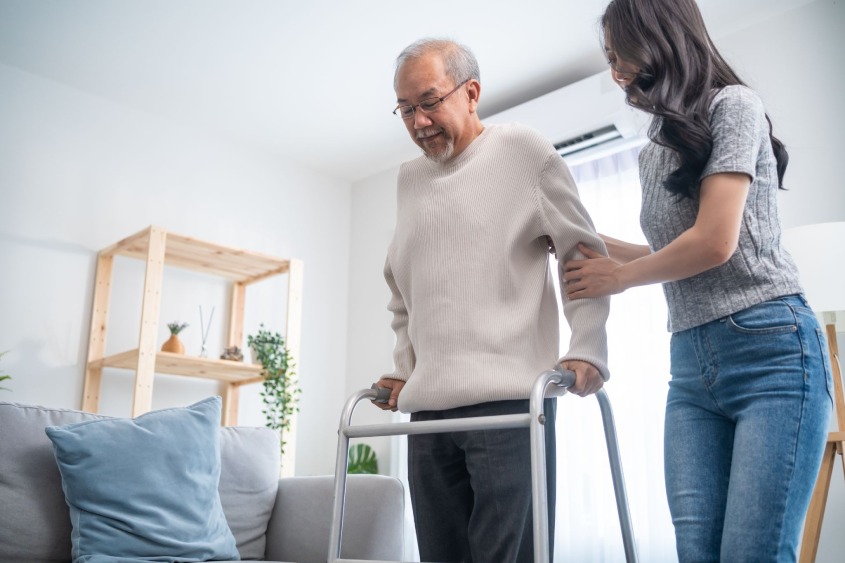
- Mobility assistance and fall prevention
- Gentle reminders and cueing
- Structured activities and routines
- Emotional reassurance and companionship
These seemingly small forms of support can make a tremendous difference in helping seniors maintain dignity and independence for as long as possible.
Families often notice another important benefit as well: reduced conflict and stress. Loved ones who once struggled to manage caregiving responsibilities alone are finally able to focus more on spending meaningful time together instead of constantly navigating daily caregiving challenges.
Safe Environment and Health Monitoring
Safety becomes an increasingly important concern as Alzheimer’s disease progresses. Seniors may accidentally leave appliances on, wander away from home, forget medications, or become confused in familiar surroundings.
Professional Alzheimer’s care provides a safer environment designed to reduce these risks while still encouraging comfort and independence. Staff members monitor residents closely and provide support when needed without making individuals feel restricted or isolated.
In professional care settings, seniors also benefit from regular health monitoring. Changes in appetite, hydration, mobility, sleep patterns, or behavior are often recognized much earlier by trained healthcare professionals.
This is especially important because individuals with Alzheimer’s disease may not always be able to communicate pain, illness, or discomfort clearly. Early intervention can help prevent complications and improve overall wellbeing.
Emotional Support and Social Engagement
One of the lesser-discussed aspects of Alzheimer’s disease is the emotional toll it can take on seniors. Many individuals experience fear, loneliness, frustration, depression, or anxiety as they struggle with memory changes and confusion.
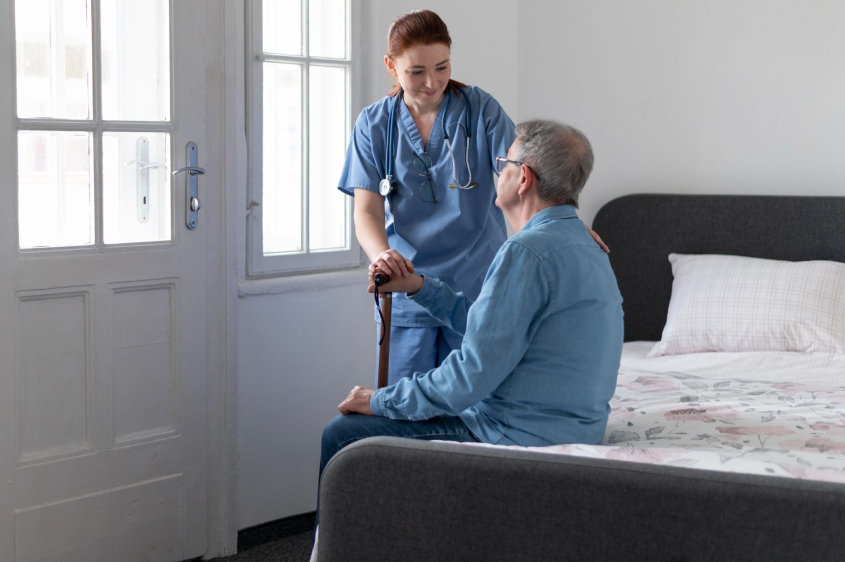
Professional Alzheimer’s care places strong emphasis on emotional wellbeing and social engagement. Compassionate caregivers help residents feel reassured, respected, and connected throughout the day.
Structured activities and opportunities for social interaction can help stimulate cognitive function while also improving mood and reducing isolation. Activities may include:
- Music therapy
- Gentle exercise programs
- Arts and crafts
- Group games
- Memory-focused activities
- Social gatherings and celebrations
Even simple moments of companionship and conversation can have a meaningful impact on emotional health and quality of life.
Families also experience emotional relief knowing their loved one is surrounded by trained caregivers who understand the disease and genuinely care about their wellbeing.
Improving Quality of Life for Seniors and Families
Professional Alzheimer’s care is not just about managing symptoms. It’s about helping seniors continue living with as much comfort, dignity, and purpose as possible.
When seniors receive proper support, they often experience:
- Reduced anxiety and confusion
- Better nutrition and hydration
- Improved safety
- More social interaction
- Greater emotional comfort
- Consistent daily routines
- Better overall physical health
Families benefit too. Caregiving for a loved one with Alzheimer’s can become overwhelming, especially when balancing work, parenting, and personal responsibilities. Professional care helps ease that burden while providing reassurance that their loved one is receiving compassionate, attentive support.
Instead of feeling consumed by caregiving responsibilities, families are often able to return to simply being spouses, children, grandchildren, and loved ones again.
Compassionate Care Makes a Difference
Choosing professional Alzheimers Care in NC is never an easy decision. It often comes with guilt, worry, and emotional uncertainty. But for many families, it ultimately becomes one of the most compassionate choices they can make.
Professional Alzheimer’s care provides the structure, safety, support, and understanding that seniors need while helping families regain peace of mind. In caring environments like Chatham Nursing & Rehabilitation Center, residents receive personalized care focused on preserving dignity, comfort, and quality of life through every stage of the journey.
While Alzheimer’s disease may change many aspects of life, compassionate professional care helps ensure seniors continue to experience connection, comfort, and moments of joy along the way.