
How Hospital Discharge Planners Help Families Choose Rehabilitation Care
July 24, 2026
How Chronic Pain Management Supports Rehabilitation Success
August 12, 2026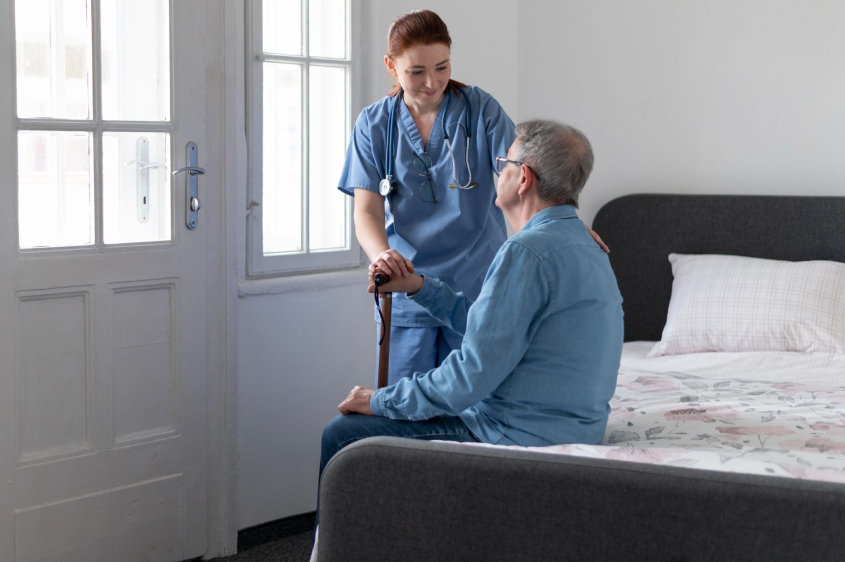
Heading home after surgery is a milestone, but for many older adults the weeks that follow are where recovery is truly won or lost.
Leaving the hospital does not always mean the recovery process is complete. For many older adults and individuals recovering from complex procedures, the days and weeks following surgery are often the most important. Proper wound care, medication management, physical therapy, and close medical supervision all play a critical role in determining how smoothly healing progresses.
Some patients can safely recover at home with minimal assistance. Others benefit from a higher level of care. That is where post-surgery skilled nursing comes in. Skilled nursing facilities provide a supportive environment where patients receive medical care, rehabilitation, and personalized treatment plans designed to help them regain strength and independence before returning home. If you are wondering whether skilled nursing is the right choice after surgery, understanding who benefits most and what these services include can help you make a more informed decision.
Jump To Section
The Basics
What Is Skilled Nursing Care After Surgery?
Post-surgical skilled nursing care is a short-term rehabilitation program designed for individuals who need continued medical attention and therapy after being discharged from the hospital. Unlike traditional home care, skilled nursing provides around-the-clock access to licensed nurses, rehabilitation therapists, and other healthcare professionals who work together to support recovery.
The goal is not simply to care for patients while they heal. Skilled nursing focuses on helping individuals recover safely, regain independence, and prepare for a successful return home.
Care plans are personalized based on the type of surgery, the patient’s overall health, mobility level, and recovery goals. Whether someone has undergone a joint replacement, cardiac procedure, spinal surgery, or another major operation, the care team develops a rehabilitation plan tailored to their specific needs.
Good Candidates
Who Benefits Most from Skilled Nursing After Surgery?
Not every surgical patient requires rehabilitation in a skilled nursing setting, but many individuals benefit from the additional support these facilities provide. Patients who may be good candidates include those who:

Have undergone major orthopedic procedures such as hip or knee replacement
Need intensive physical, occupational, or speech therapy
Have multiple chronic medical conditions that require monitoring
Live alone or have limited caregiving support at home
Have experienced complications during hospitalization
Need assistance with bathing, dressing, or other daily activities
Are at an increased risk of falls
Require wound care, IV medications, or complex medication management
Older adults are especially likely to benefit, because surgery can temporarily reduce strength, balance, and endurance. Having skilled professionals available throughout recovery helps reduce risks while providing encouragement as patients rebuild confidence.
Signs To Watch For
When Recovering at Home May Not Be the Safest Option
Many families assume that going home is always the best option, but that is not necessarily true if recovery cannot be managed safely. Some signs that additional support may be needed include:
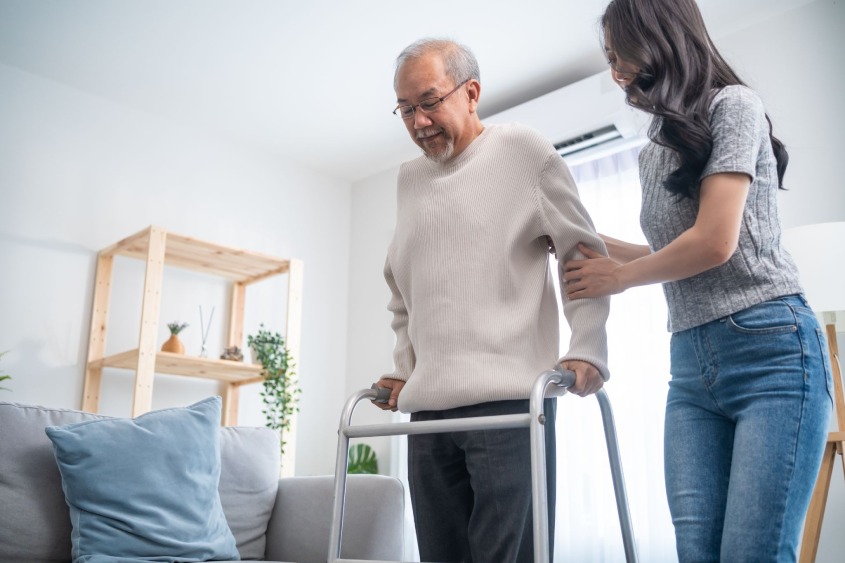
Difficulty standing or walking without significant assistance
Ongoing pain that limits mobility despite treatment
Trouble managing medications correctly
Frequent dizziness or balance problems
Difficulty getting in and out of bed safely
Surgical wounds that require ongoing professional care
Fatigue that makes everyday tasks overwhelming
Limited family support during the recovery period
Even if these challenges are expected to improve over time, attempting recovery at home too soon may increase the risk of falls, infections, hospital readmissions, or delayed healing. A physician, discharge planner, or rehabilitation specialist can help determine whether post-surgery skilled nursing is the safest next step.
One Care Team
Services Provided During Post-Surgical Skilled Nursing Care
One of the greatest advantages of skilled nursing is having multiple healthcare professionals working together under one personalized care plan. Services often include:
Skilled nursing care available 24 hours a day
Physical therapy to improve strength, balance, and mobility
Occupational therapy to regain daily living skills
Speech therapy when appropriate
Pain management tailored to comfort and progress in therapy
Wound care and dressing changes
Medication administration and monitoring
Nutritional support to fuel healing
Fall prevention strategies built into daily routines
Discharge planning that begins early in the stay
Rather than addressing only one aspect of recovery, this team-based approach supports the whole person and helps patients make steady, measurable progress.
Healing Safely
How Skilled Nursing Supports a Faster and Safer Recovery
Recovery after surgery is not about rushing the healing process. It is about creating the right conditions for healing to occur safely and effectively.
Structured rehabilitation helps patients regain mobility sooner while reducing complications associated with prolonged inactivity. Regular therapy sessions strengthen muscles, improve flexibility, restore endurance, and help patients safely perform everyday movements such as standing, walking, climbing stairs, and getting in and out of bed.
At the same time, skilled nurses monitor vital signs, manage medications, observe surgical incisions, and respond quickly if concerns arise. This combination of medical oversight and rehabilitation creates an environment where patients can focus on healing without worrying about managing complex recovery needs on their own.
For many individuals, transition rehabilitation services also help reduce the likelihood of returning to the hospital by identifying and addressing problems before they become serious.
Your Stay
What to Expect During Your Skilled Nursing Stay
Every patient’s experience will be different, but most stays follow a familiar path from admission through discharge.
Questions To Ask
Choosing the Right Skilled Nursing Facility for Post-Surgical Recovery
Not all rehabilitation facilities offer the same level of services or experience, so choosing the right provider is an important decision. When evaluating a skilled nursing facility, consider questions such as:
Does the facility provide comprehensive rehabilitation therapies?
Are individualized care plans developed for each patient?
How often are therapy sessions provided?
What is the experience level of the nursing and rehabilitation staff?
How does the facility communicate with families?
What support is available during discharge planning?
Are recovery goals reviewed and updated regularly?
A facility that emphasizes collaboration, communication, and personalized care often provides a smoother rehabilitation experience for both patients and families.
Our Approach
Personalized Recovery at Chatham Rehab
At Chatham Rehab, we understand that successful recovery extends beyond the operating room. Our experienced team provides individualized transition rehabilitation services designed to help patients safely regain strength, improve mobility, and restore confidence after surgery.
Through personalized therapy programs, skilled nursing care, medication management, and comprehensive discharge planning, we support every stage of the recovery journey. Whether you are recovering from joint replacement, cardiac surgery, or another major procedure, our interdisciplinary team works together to create a care plan tailored to your unique needs and goals.
Looking Ahead
Making a Confident, Informed Decision
Choosing the right recovery environment after surgery can have a lasting impact on healing, independence, and overall quality of life. Some individuals recover well at home. Others benefit greatly from the added medical oversight, rehabilitation, and personalized support that post-surgery skilled nursing provides.
If you or a loved one are preparing for surgery or planning the next steps after a hospital stay, understanding the benefits of skilled nursing can help you decide with confidence. At Chatham Rehab, we are committed to providing compassionate care and expert transition rehabilitation services that help patients recover safely, regain independence, and return home stronger than before.
Planning Recovery After Surgery?
Our admissions team is happy to walk you through therapy programs, daily life at Chatham Rehab, and what a post-surgical stay would look like for your loved one.