- Follow Us:
- (336) 527-7600
- [email protected]


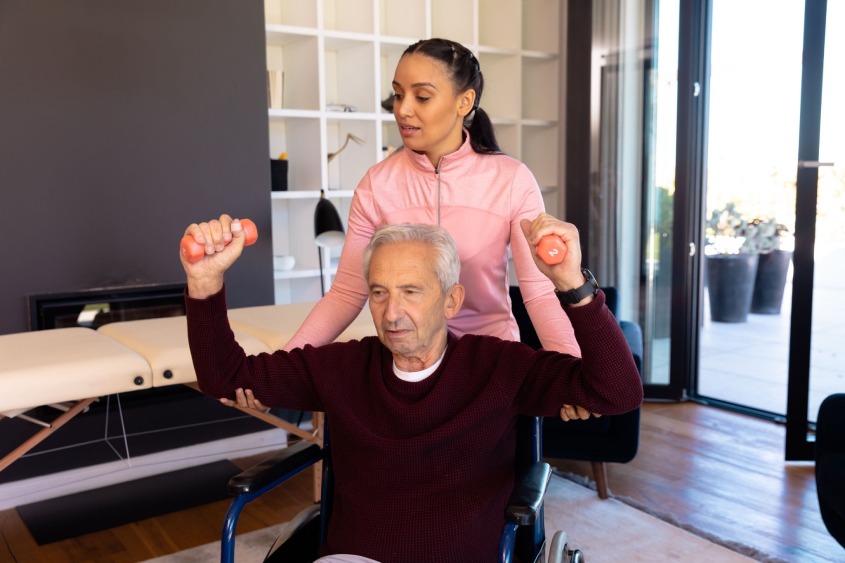
Recovering After Heart Surgery: Why Skilled Rehabilitation Matters
September 21, 2026
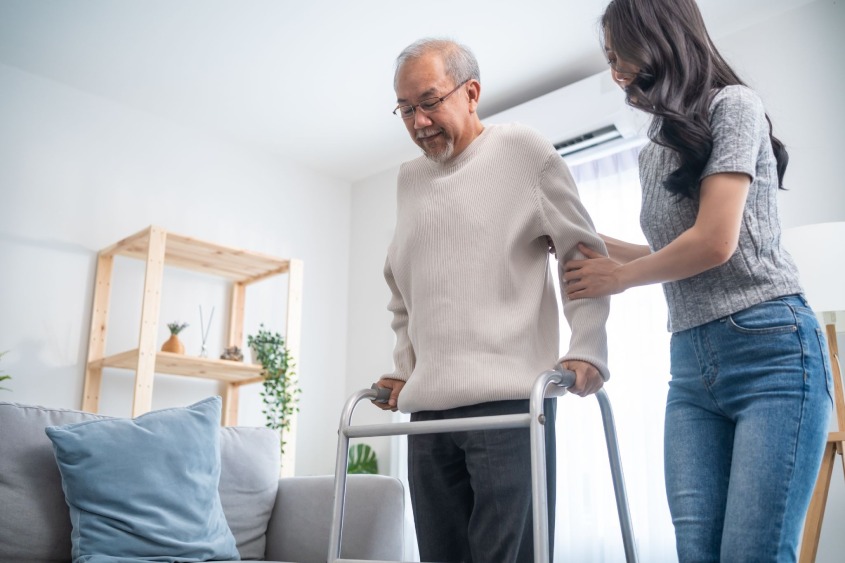
Can Seniors Regain Mobility After Months of Inactivity?
October 23, 2026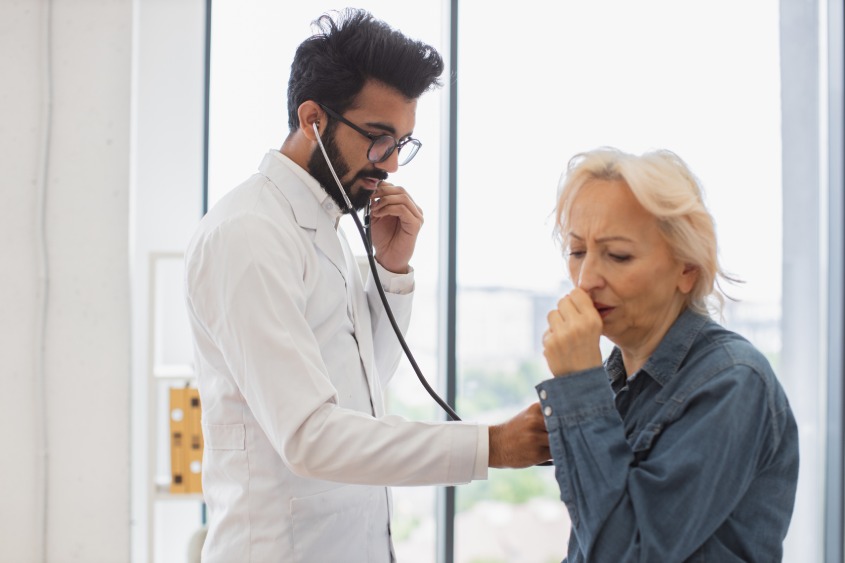
Getting over a respiratory illness often takes more than rest, and the right support can help older adults rebuild strength, confidence, and independence safely.
A respiratory illness can leave anyone feeling exhausted, but recovery can be especially challenging for older adults. Even after the worst of an infection has passed, seniors may continue to experience fatigue, weakness, reduced endurance, poor appetite, or difficulty getting back to their normal daily activities.
For some older adults, these lingering effects can make the transition from the hospital to home more difficult than expected. Someone who was walking independently before becoming ill may suddenly need assistance. Bathing and dressing can feel exhausting, and simply walking from one room to another may require a rest break.
In these situations, additional support may be helpful. Skilled nursing care, physical therapy, and short-term rehabilitation can address both medical and functional needs while an older adult continues to recover. Depending on the individual’s condition, respiratory rehabilitation may also involve strategies for gradually rebuilding endurance and safely increasing activity.
Understanding why recovery can take longer, and knowing when additional help may be needed, can make it easier for families to support a loved one following a respiratory illness.
Jump To Section
Understanding Recovery
Why Respiratory Illnesses Can Be More Challenging for Older Adults
Aging brings natural changes throughout the body, including changes that can affect the respiratory and immune systems. Older adults may also be managing chronic conditions such as heart disease, diabetes, COPD, or other health concerns that can complicate an illness or make recovery more demanding.
The illness itself is only part of the challenge. Someone can be medically improving while still being far from their usual level of independence.
A senior who spends several days in bed because of fever, coughing, shortness of breath, or hospitalization may experience deconditioning. Muscles can become weaker, endurance may decrease, and normal activities can require significantly more energy.
Recovery also isn’t necessarily immediate once an infection clears. Fatigue and weakness can linger, and older adults may need time to gradually rebuild their normal activity level.
Know the Risks
Common Respiratory Illnesses That Affect Seniors
Older adults can experience many of the same respiratory illnesses as younger people, but some infections may carry a greater risk of serious complications. Illnesses that can be particularly concerning for seniors include:
Influenza
COVID-19
Respiratory syncytial virus (RSV)
Pneumonia
Other respiratory infections, especially when a chronic respiratory condition is also present
Symptoms vary depending on the illness and the individual. Coughing, congestion, fever, fatigue, shortness of breath, weakness, and reduced appetite may occur. Some older adults may present differently than younger people, making it especially important for families and caregivers to pay attention to noticeable changes in behavior, function, or overall condition.
Prompt medical evaluation is important when symptoms are concerning or worsening.
When to Act
Warning Signs That Seniors May Need Additional Medical Support
Families should never assume that significant breathing problems are simply part of getting older or recovering from an illness.
New or worsening shortness of breath, chest pain, bluish lips or face, severe difficulty breathing, confusion, fainting, or other serious symptoms require prompt medical attention. If symptoms appear life-threatening, seek emergency care immediately.
Other changes may be less dramatic but still worth discussing with a healthcare provider. Reach out for medical guidance if your loved one:
Is much weaker than usual
Isn’t eating or drinking adequately
Has difficulty completing basic activities
Seems to be getting worse instead of gradually improving
Has a persistent or worsening cough, fever, changes in alertness, or increased difficulty with normal activity
When in doubt, families should contact the individual’s healthcare provider rather than trying to determine on their own whether symptoms are a normal part of recovery.
Whole-Body Recovery
Respiratory Illness Can Affect More Than Breathing
One of the biggest surprises for families is how much a respiratory illness can affect the rest of the body.
During illness, seniors may eat less, sleep poorly, and spend significantly more time sitting or lying down. Hospitalization can further reduce normal activity. Together, these changes can contribute to weakness and reduced endurance, and everyday tasks may suddenly become difficult:
Standing from a chair may require assistance
Walking to the bathroom can be tiring
A shower that once took ten minutes may now feel overwhelming
Even getting dressed can require several rest breaks
This loss of function is one reason respiratory rehabilitation and other forms of post-illness rehabilitation may focus on more than breathing alone. Rebuilding strength, mobility, endurance, and confidence can be important parts of returning to everyday life.
Skilled Nursing
How Skilled Nursing Care Supports Seniors During Respiratory Recovery
Some seniors can recover comfortably at home with appropriate medical follow-up and family support. Others may have nursing or functional needs that make additional care appropriate after hospitalization.
In a skilled nursing setting, nursing professionals can provide care according to the resident’s individualized medical plan. Depending on the person’s needs and physician orders, this may include:
Medication management
Monitoring changes in condition
Assistance with daily activities
Coordination with other members of the healthcare team
This can be especially valuable for someone who is medically stable enough to leave the hospital but isn’t yet ready to independently manage at home.
Nursing and rehabilitation professionals can also communicate about issues affecting recovery. If fatigue, pain, weakness, or another medical concern is interfering with therapy or everyday activities, coordinated care allows these concerns to be considered as part of the overall recovery plan.
Physical Therapy
Physical Therapy Can Help Rebuild Strength and Endurance
After several days or weeks of reduced activity, simply telling someone to “get up and move more” may not be enough, and it may not be appropriate without professional guidance. Physical therapy typically builds on itself step by step:
The goal isn’t to rush recovery. It’s to help the individual rebuild function safely and progressively.
Nourishing Recovery
Nutrition and Hydration Matter During Recovery
The body needs adequate nutrition and fluids during recovery, yet respiratory illnesses can make both more difficult:
Fatigue may reduce interest in meals
Congestion or changes in taste and smell can affect appetite
Coughing or shortness of breath may make eating feel tiring
Some seniors may be at increased risk of dehydration if they aren’t drinking enough fluids during an illness
Nutritional needs vary, especially for individuals managing conditions such as diabetes, kidney disease, heart disease, or swallowing difficulties. For that reason, dietary recommendations should be individualized.
Within a skilled nursing or rehabilitation setting, the care team can consider nutrition and hydration alongside other recovery needs. If swallowing has become difficult, additional evaluation may also be appropriate.
Supporting the body with adequate nutrition, hydration, rest, and appropriate activity can help create a stronger foundation for recovery.
Finding Balance
Rest Is Important, but So Is Gradually Returning to Activity
Recovery requires rest, but prolonged inactivity can contribute to further weakness. Finding the right balance is important.
A senior who is exhausted after an illness shouldn’t be expected to immediately return to a full daily routine. At the same time, appropriate movement and activity can be important for rebuilding strength and endurance when medically appropriate. This is where an individualized rehabilitation plan can help.
Therapists can consider the resident’s current abilities and gradually increase activity rather than relying on a one-size-fits-all approach. Some days may be more tiring than others, and progress may not follow a perfectly straight line.
Families can help by focusing on improvements over time rather than expecting a dramatic change from one day to the next.
Short-Term Rehabilitation
When to Consider Short-Term Rehabilitation After a Respiratory Illness
Not every senior recovering from pneumonia, flu, RSV, COVID-19, or another respiratory illness will need short-term rehabilitation. However, additional rehabilitation may be worth discussing when an older adult is medically stable but continues to have:
Significant weakness
Reduced mobility or poor endurance
Difficulty completing daily activities
Nursing needs that cannot be safely managed at home
The hospital discharge team or healthcare provider can help determine the appropriate level of care.
Short-term rehabilitation can provide a structured environment where nursing support and therapy address different aspects of recovery. Depending on the resident’s needs, goals may include:
Walking more safely
Improving balance
Increasing activity tolerance
Completing daily activities with less assistance
Preparing for a return home
The length and focus of rehabilitation will depend on the individual’s condition, previous abilities, progress, and discharge needs.
For Caregivers
When Families and Caregivers Need Additional Support
Respiratory illness can affect the entire family, particularly when an older adult requires more help than they did before becoming sick.
A spouse or adult child may suddenly be responsible for meals, medications, mobility assistance, transportation, and personal care. Even when family members are willing to help, caregiving can become physically and emotionally demanding.
For families researching respite care in NC, temporary care may provide support when a caregiver needs time away or when an older adult temporarily requires more assistance than can easily be provided at home. Respite care and short-term rehabilitation aren’t necessarily the same service, so families should discuss the individual’s needs with healthcare providers and potential facilities to determine which type of care is appropriate.
Asking for additional support doesn’t diminish the family’s role. In many cases, it can help caregivers continue supporting their loved one while also attending to their own responsibilities and well-being.
Our Approach
Supporting Recovery at Chatham Rehab
Recovery from a respiratory illness doesn’t always end when someone is discharged from the hospital. For some older adults, regaining strength, endurance, mobility, and independence can take additional time.
At Chatham Rehab, care is centered on the individual needs of each resident. Skilled nursing support and rehabilitation services can help address the medical and functional challenges that may remain after an illness or hospitalization. For seniors who need additional recovery support, rehabilitation may focus on:
Rebuilding strength
Improving mobility and balance
Increasing endurance
Practicing everyday activities
The specific plan should reflect the resident’s medical condition, previous abilities, current needs, and goals for the next stage of care.
Families considering respiratory rehabilitation or post-hospital recovery support should speak with their loved one’s healthcare team about the most appropriate level of care. The goal isn’t simply to help someone feel better while resting. It’s to support a safe, gradual return to the activities and routines that are meaningful to everyday life.
FAQ
Frequently Asked Questions About Respiratory Recovery in Seniors
Help Your Loved One Recover With Confidence
Chatham Rehab offers personalized skilled nursing care and rehabilitation for seniors recovering from respiratory illness. Contact us today to learn more about our recovery support services.