
How Dementia Care Helps Seniors Maintain Dignity and Comfort
May 27, 2026
Choosing Between Assisted Living and Skilled Nursing Care: Understanding the Differences
June 23, 2026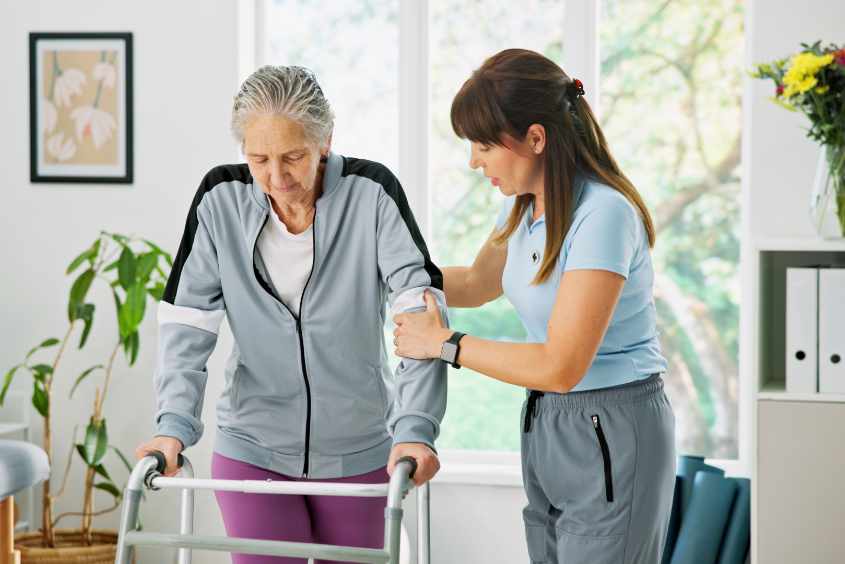
Recovery in skilled nursing care is about far more than therapy and medication, the activities of daily life help heal the whole person.
When people think about recovery in a skilled nursing facility, they often picture physical therapy sessions, medication management, and visits with healthcare providers. While these clinical services play a critical role in healing, they are only part of the recovery journey.
Meaningful daily activities are equally important. They help residents stay engaged, motivated, and connected while supporting physical, emotional, social, and spiritual well-being. At Chatham Rehab, we understand that successful recovery involves more than treating a medical condition. It means caring for the whole person. From recreational programs and social gatherings to religious services and community outings, daily activities help create a positive environment where residents can continue to grow, heal, and enjoy life.
Jump To Section
Why Activities Matter
Why Daily Activities Are Essential for Recovery
Recovery can be challenging. Whether someone is recovering from surgery, illness, injury, or a hospital stay, the process often involves physical limitations, emotional stress, and significant lifestyle changes. Daily activities provide structure, purpose, and motivation during this time.
Having something to look forward to each day can make a tremendous difference in a resident’s outlook. Activities encourage participation, reduce boredom, and help individuals focus on progress rather than limitations. They also provide opportunities to celebrate small victories, build confidence, and maintain a sense of independence throughout recovery. In many NC skilled nursing facilities, activity programs are designed to complement clinical care by supporting overall wellness and quality of life. When residents are engaged mentally, physically, and socially, they often experience a more positive recovery journey.
Physical Benefits
Physical Benefits of Participating in Daily Activities
Physical recovery does not only happen during scheduled therapy sessions. Many daily activities help residents stay active and continue building strength throughout the day. Even gentle movement can contribute to improved mobility, balance, flexibility, and endurance.
Activities such as chair exercises, walking groups, stretching programs, dance sessions, gardening, and interactive games encourage residents to keep moving in enjoyable ways. These activities can help improve circulation, reduce stiffness, support muscle strength, and promote overall physical health. For residents in physical or occupational therapy, recreational activities often reinforce the skills they are working to regain. Simple tasks such as crafting, playing games, or joining group activities can improve hand-eye coordination, dexterity, and fine motor skills.
Most importantly, these activities make movement feel less like exercise and more like fun. That can be a powerful motivator.
Mental & Emotional Well-Being
Recreational Activities That Promote Mental and Emotional Well-Being
Recovery is not just physical. Emotional and mental health play a significant role in healing as well. Many residents face feelings of frustration, anxiety, loneliness, or uncertainty during recovery. Recreational activities help address these challenges by providing enjoyable experiences that encourage creativity, learning, and personal achievement. Popular activities may include:

Arts and crafts
Bingo and game nights
Music programs
Trivia competitions
Movie afternoons
Book clubs
Puzzle groups
Educational presentations
These programs help stimulate cognitive function while providing opportunities for relaxation and enjoyment. Engaging the mind can improve focus, memory, and problem-solving skills while reducing stress and promoting emotional wellness. Sometimes the simple act of laughing with friends during a game or creating something beautiful during an art class can brighten an entire day. Those moments matter more than many people realize.
Spiritual Support
The Role of Religious Services and Spiritual Support
For many individuals, faith and spirituality provide comfort, strength, and hope during challenging times. Religious services and spiritual programs can play a meaningful role in the recovery process by helping residents maintain important personal beliefs and traditions.
Many skilled nursing facilities offer religious services, Bible studies, prayer groups, chaplain visits, and other opportunities for spiritual support. These programs allow residents to continue practicing their faith while receiving care. Spiritual wellness often contributes to emotional resilience and peace of mind. It can help individuals cope with uncertainty, find purpose, and maintain a positive outlook throughout recovery. Even residents who do not regularly participate in organized religion often appreciate opportunities for reflection, meditation, and personal connection. Supporting spiritual needs is another way skilled nursing communities care for the whole person, not just the diagnosis.
Outings & Events
Benefits of Resident Outings and Special Events
Recovery does not have to happen entirely within the walls of a healthcare facility. Resident outings and special events offer exciting opportunities to experience new environments, enjoy favorite activities, and maintain connections to the larger community. Depending on residents’ abilities and interests, outings may include:
Local shopping trips
Visits to parks and gardens
Community events
Scenic drives
Seasonal festivals
Restaurant outings
Cultural attractions
These experiences provide a refreshing change of scenery while encouraging social interaction and engagement. Special events held within the facility are equally important. Holiday celebrations, themed parties, family gatherings, live entertainment, pet therapy visits, and community programs help create joyful experiences that residents can anticipate and enjoy. These events add variety to daily life and create lasting memories during the recovery journey.
A Well-Rounded Recovery
Creating a Well-Rounded Recovery Experience
The most effective recovery programs recognize that healing involves more than medical treatment alone. A well-rounded approach combines skilled nursing care, rehabilitation services, social engagement, recreational opportunities, spiritual support, and meaningful experiences that promote overall wellness.
When residents are encouraged to take part in activities that match their interests and abilities, they often feel more motivated, confident, and engaged in their own recovery. Every activity becomes an opportunity to build strength, improve well-being, and enhance quality of life. Personalized activity programs help ensure that each resident can continue pursuing hobbies, exploring new interests, and staying connected to the things that bring them joy.
Recovery is about much more than physical healing. It is about helping individuals regain confidence, maintain connections, and continue enjoying meaningful experiences every day.
At Chatham Rehab, daily activities are an important part of creating a supportive and enriching recovery environment. Through recreational programs, social opportunities, religious services, outings, and special events, residents can stay active, engaged, and motivated throughout their healing journey. Whether recovering after a hospital stay or receiving ongoing skilled nursing care, residents deserve opportunities to thrive physically, emotionally, socially, and spiritually. By combining expert clinical care with engaging daily activities, we help make recovery a more positive and rewarding experience for every resident.
See How We Support the Whole Person
Come experience the warm, engaging environment at Chatham Rehab, where expert clinical care and meaningful daily activities come together. Schedule a tour and meet our team.
Staying Connected
How Social Activities Help Residents Stay Connected
Human connection is an important part of overall health. When individuals experience a major health event or transition into skilled nursing care, they may feel isolated from their normal routines and social circles. Social activities help bridge that gap by creating opportunities for residents to build friendships and maintain meaningful connections.
Group activities encourage conversation, teamwork, and interaction. Residents can meet others who share similar interests, experiences, and goals. These relationships often become valuable sources of encouragement and support during recovery. Social engagement has been linked to improved emotional health, reduced feelings of depression, and a greater sense of belonging. Whether joining a group discussion, attending a celebration, or simply sharing a meal with friends, residents benefit from being part of a supportive community. At Chatham Rehab, fostering these connections is an important part of creating a welcoming and enriching environment for every resident.