
Choosing Between Assisted Living and Skilled Nursing Care: Understanding the Differences
June 23, 2026
How Hospital Discharge Planners Help Families Choose Rehabilitation Care
July 24, 2026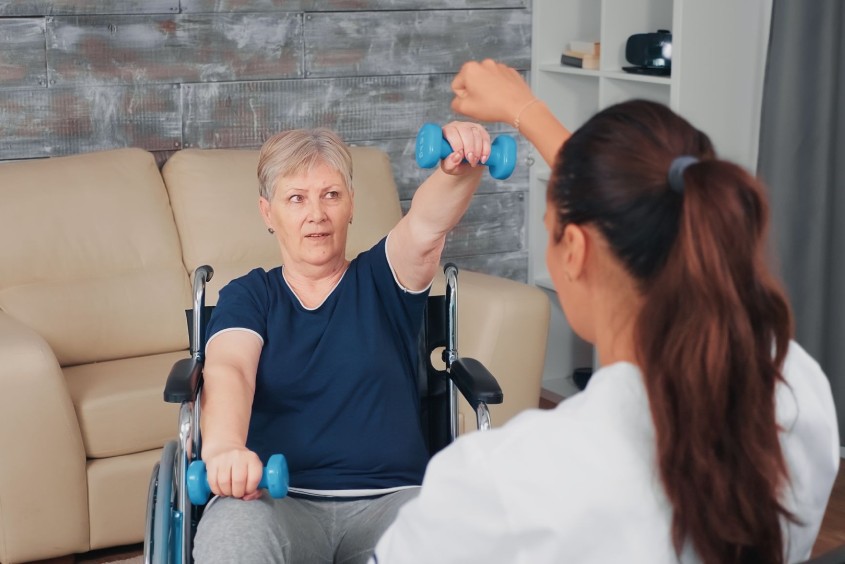
Recovery after a fall is about far more than healing an injury. It is about moving well, feeling steady, and trusting your body again.
A fall can happen in an instant, but the effects can last much longer. For older adults especially, even a seemingly minor fall can lead to pain, reduced mobility, a loss of confidence, and concerns about future injuries. In some cases the physical injury heals relatively quickly, but the worry about falling again can linger for months and make everyday activities feel overwhelming.
Fortunately, recovery after a fall involves much more than simply resting and waiting for time to pass. Physical therapy plays an important role in helping individuals regain strength, improve balance, restore mobility, and rebuild confidence so they can safely return to the activities they enjoy. Through personalized rehabilitation plans and professional support, patients often discover that recovery is not only possible but can lead to greater safety and independence moving forward. At Chatham Rehab, we understand that every fall and every recovery journey is different, which is why rehabilitation programs are designed around the individual, focusing not only on healing injuries but also on reducing the risk of future falls and improving overall quality of life.
Jump To Section
The Foundation
Why Physical Therapy Is Important After a Fall
After a fall, many people naturally become more cautious about movement. While this reaction is understandable, avoiding activity can sometimes create new problems. Reduced movement often leads to muscle weakness, loss of flexibility, decreased balance, and lower endurance, all of which can actually increase the risk of another fall.
Physical therapy helps interrupt that cycle by encouraging safe, guided movement during recovery. Therapists work closely with patients to restore physical function while identifying the underlying factors that may have contributed to the fall in the first place.
Sometimes a fall occurs because of muscle weakness or poor balance. In other cases, vision changes, medication side effects, chronic health conditions, or environmental hazards may play a role. Understanding these contributing factors allows rehabilitation teams to create targeted strategies that address the root causes rather than simply treating the injury itself.
Starting Point
Assessing Strength, Balance, and Mobility
One of the first steps in rehabilitation after a fall is a comprehensive assessment. Physical therapists evaluate a patient’s strength, flexibility, balance, walking pattern, range of motion, and ability to safely perform daily activities. This evaluation helps identify specific areas that need improvement while providing a baseline for measuring progress throughout recovery.
The assessment may include observing how a patient stands from a chair, walks across a room, turns, navigates obstacles, or climbs stairs. Therapists also consider medical history, previous falls, medications, and overall health status to better understand each individual’s unique challenges.
This thorough approach ensures that rehabilitation plans are personalized rather than relying on a one size fits all solution.
Building Strength
Personalized Exercises to Improve Stability
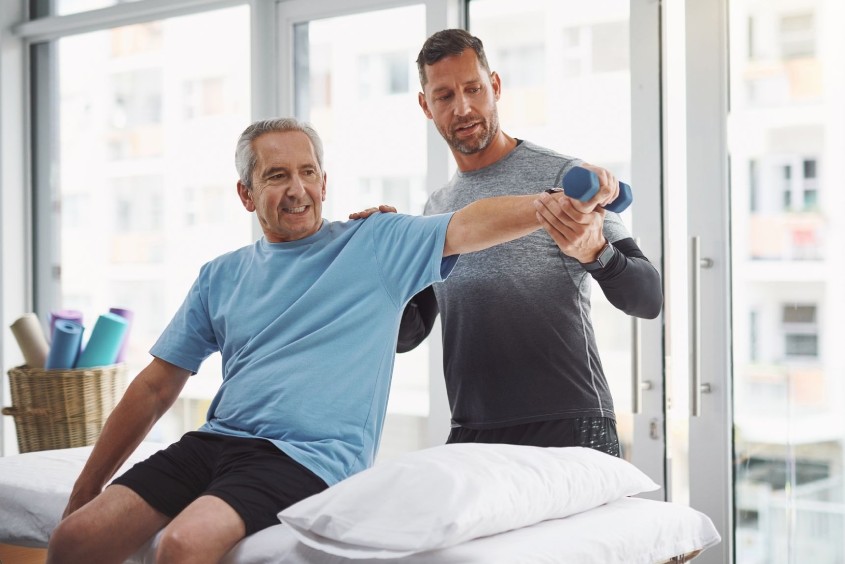
No two patients have exactly the same rehabilitation needs, which is why personalized exercise programs are such an important part of recovery. Some individuals may need to focus primarily on leg strength, while others benefit more from improving balance, flexibility, or coordination. Physical therapists design exercises that target the areas most likely to improve safety and mobility for each patient.
These exercises may include:
Strengthening the muscles of the legs and core
Improving balance and coordination
Increasing flexibility and range of motion
Enhancing posture and body awareness
Building endurance for everyday activities
As patients improve, exercises gradually become more challenging to continue promoting progress while maintaining safety. The goal is not simply to exercise more. It is to move better, feel stronger, and reduce the likelihood of another fall.
Everyday Movement
Restoring Safe Walking and Everyday Movement
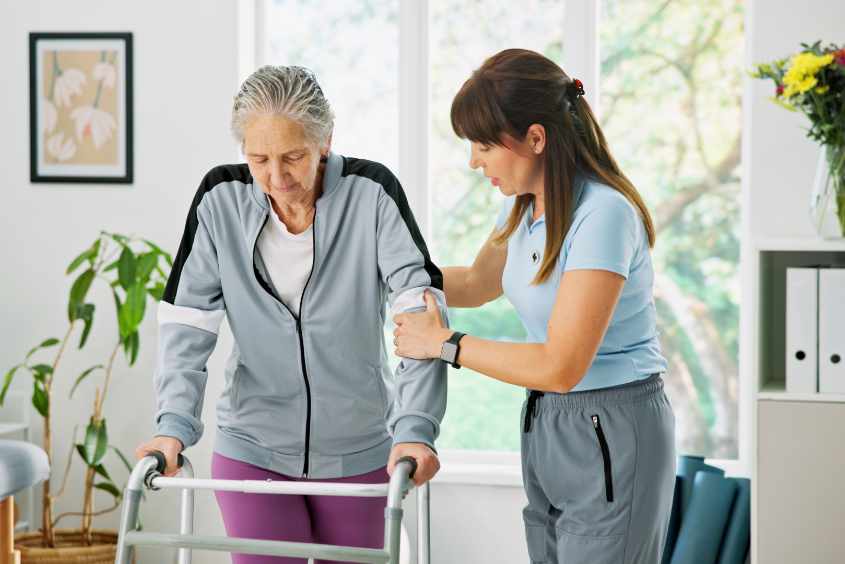
Walking confidently after a fall is often one of the biggest challenges patients face. Even when injuries have healed, many people become hesitant or anxious about moving independently. This hesitation can lead to shorter steps, slower movement, and altered walking patterns that may actually increase fall risk.
Physical therapy focuses on restoring natural movement patterns and helping patients feel secure while walking again. Therapists work on posture, stride length, weight shifting, turning safely, and navigating common obstacles such as curbs, uneven surfaces, or stairs.
In addition to walking, therapy often addresses other everyday movements that are essential for independence, including:
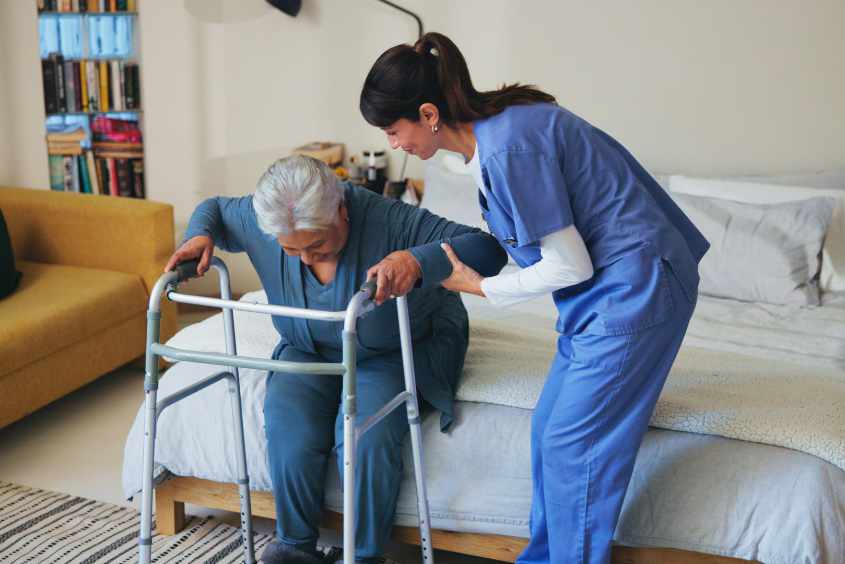
Getting in and out of bed
Standing from a chair
Using the bathroom safely
Reaching for objects
Carrying items while walking
Improving these functional movements allows patients to return to daily routines with greater confidence and less anxiety.
Practical Skills
Using Mobility Aids Safely and Correctly
Walkers, canes, and other mobility aids can be valuable tools during recovery, but only when they are used properly. Many people are surprised to learn that using the wrong size walker or holding a cane incorrectly can actually contribute to instability rather than improve it.
Physical therapists help patients learn how to safely use mobility devices while ensuring equipment is properly adjusted to fit their height and needs. They also teach techniques for navigating stairs, curbs, doorways, and crowded spaces while using these devices.
For some individuals, mobility aids are only temporary tools during rehabilitation. For others, they become an important part of maintaining independence and safety over the long term. Either way, learning to use them confidently is an important step in recovery.
Emotional Recovery
Rebuilding Confidence and Independence
The emotional impact of a fall is often underestimated. Many older adults become hesitant after falling and begin avoiding activities they once enjoyed. Some limit social outings, stop exercising, or hesitate to leave home altogether because they worry about falling again. This loss of confidence can sometimes be just as limiting as the physical injury itself.
Physical therapy addresses both physical recovery and emotional well-being by helping patients experience success in a safe and supportive environment. Each milestone, whether walking farther, climbing stairs, or moving independently, helps rebuild confidence and encourages greater participation in daily life. Over time, many individuals begin to trust their bodies again and regain the independence they feared they had lost.
Looking Ahead
Reducing the Risk of Future Falls
Perhaps one of the greatest benefits of rehabilitation after a fall is prevention. Physical therapists do not simply focus on recovering from the current injury. They also help patients develop strategies to avoid future falls and maintain long-term mobility.
Fall prevention may include:
Home safety recommendations
Balance training exercises
Strength maintenance programs
Education about proper footwear
Medication review discussions
Recommendations for assistive devices when appropriate
These proactive measures can make a significant difference in helping older adults remain active and independent for years to come.
For families who provide care at home, temporary support options such as a respite care nursing home stay may also provide valuable assistance during recovery, allowing caregivers time to rest while their loved one receives professional rehabilitation and nursing support.
Our Approach
How Chatham Rehab Supports Recovery After a Fall
At Chatham Rehab, we understand that recovering from a fall involves much more than healing an injury. Our interdisciplinary rehabilitation team works closely with residents to develop personalized therapy plans that address strength, balance, mobility, confidence, and long-term safety.
Through skilled physical therapy, nursing care, and compassionate support, we help residents regain independence while building the skills needed to move more safely and confidently. Whether recovering after a hospital stay or seeking additional rehabilitation support, our goal is always to help individuals achieve the highest possible quality of life.
In Closing
A Fall Does Not Have to Define the Future
With the right rehabilitation plan, patients can improve strength, restore mobility, rebuild confidence, and reduce the risk of future falls. Through personalized exercises, gait training, balance work, education, and professional guidance, physical therapy provides the tools needed to return to daily life more safely and independently.
At Chatham Rehab, we are proud to support patients and families throughout every stage of recovery, helping individuals regain confidence and continue living active, fulfilling lives. Whether recovering after a fall or exploring additional support options such as a respite care nursing home stay, compassionate rehabilitation care can make all the difference on the road to recovery.
Ready to Take the Next Step Toward Steadier Days?
Our therapy team is here to help your loved one rebuild strength, balance, and confidence after a fall. Call us with your questions or schedule a tour to see our rehabilitation program in person.